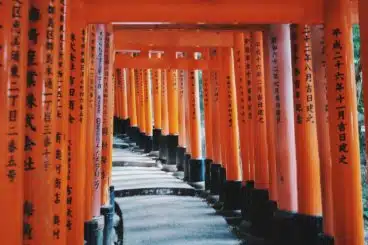
You could spend a lifetime getting to know a megalopolis like Tokyo, and there are so many things you could do when you’re visiting.
The trouble is deciding what to do in Tokyo when there are so many options. This list isn’t meant to capture everything — no single list could in a city this vast — but it offers a few ways to begin getting to know Tokyo’s many moods.
At first glance, you may think that Tokyo runs on pure energy and neon lights. But as soon as you start exploring, you’ll see there’s a lot more than meets the eye.
What makes Tokyo special is its mix of layers. The history of old Edo sits right alongside modern Tokyo. You can spend the morning in the woods surrounding a Shinto shrine, the afternoon among galleries or department stores, and the evening in a neighborhood that feels nothing like where you started.
Originally written in 2019, this post was last updated on December 16th, 2025
Here are 17 unique things to do in Tokyo:
- Visit a Depachika
- Walk Around a Garden
- Splurge on an Omakase Sushi Meal
- Appreciate Some Art
- Drink Coffee at an Old-Fashioned Kissaten
- Slurp Some Ramen
- Soak Up the Shitamachi Vibes
- Eat Wagyu
- Hang Out at Jazz Joints
- Fall in Love with Books
- Hit Up the Bars
- Shop for Traditional Crafts
- Cycle Around Tokyo
- Visit the Ghibli Museum
- Explore the World of Sumo
- Find Some Quiet at Meiji Jingu Shrine
- Wander Through Tsukiji Outer Market
1. Visit a Depachika
If the apocalypse ever comes to pass, a depachika (department-store basement food hall) is where I’d like to live out the remainder of my days.
Depachika are some of the best places in Japan to experience a wide range of foods in a single place. All major foods in Japanese cuisine, from yakitori to tempura, are represented here, but there are also sections for Chinese, Korean, and Western cuisine — not to mention Japanese wagashi (sweets), Western-style confectionery, and the many rotating regional food festivals throughout the year.
Everything is pure eye candy — a real visual feast. Stacks of simmered meats and deep-fried croquettes, jewel-colored salads, and cakes as delightful as Wayne Thiebaud paintings. The best part is sampling all the food on display.
There are too many fabulous depachika in town to recommend. Start with Shinjuku Isetan (eat Sadaharu Aoki’s fine matcha eclairs), Daimaru in Tokyo Station (get the butter Kit Kats, or queue for the NYC Sand), or Ginza Mitsukoshi (just eat everything).

2. Walk Around a Garden
Tokyo is better known for its buildings than its bonsai. However, it does have some gorgeous green spaces, whether in the Japanese style or otherwise. If you are visiting Tokyo in the last week or so of March, into the first week or two of April, cherry blossom season remains a coveted time to visit Japan.
Read more in our post on the best gardens in Tokyo, Kyoto, and beyond.

3. Splurge on an Omakase Sushi Meal
Quality over quantity: This applies to everything in life, but especially sushi.
Overfishing is a compelling reason for anyone to reduce their fish intake, so I rarely eat sushi. But on the rare occasion that I do, I’d rather have the good stuff, made from fish handled with the respect they deserved after being caught. One great omakase (chef’s choice) is more memorable than a series of average conveyor-belt sushi meals.
Luckily, it doesn’t have to be Sukiyabashi Jiro or nothing. There are plenty of sushi joints in town that do above-average sushi at reasonable price points, especially if you go for lunch. Places like Sushi Aoki or Sushi Takeuchi are good places to start.
You can find out more in our article on sushi myths and misconceptions.
4. Appreciate Some Art
Art lovers in Tokyo are truly spoiled for choice. Those pressed for time should whittle their options down to the following: the Mori Art Museum in Roppongi, the Yayoi Kusama Museum in Kagurazaka, and the teamLab Museums in Toyosu and Azabudai Hills.
Contemporary art exhibitions at the Mori Art Museum are eminently accessible and consistently excellent, with the bonus of fabulous cityscape views from the 53rd floor.
Visiting the Yayoi Kusama Museum requires advance tickets, but it’s well worth the hassle. Even non-fans like myself were converted on visiting.
And then there’s digital art collective teamLab, which has two locations in Tokyo. At teamLab Planets, you’ll walk barefoot through water and light, while at teamLab Borderless, you can interact with digital work that wanders between rooms. It’s an experience unlike anywhere else.
5. Drink Coffee at an Old-Fashioned Kissaten
Sure, Tokyo has no shortage of trendy third-wave coffee bars helmed by baristas with carefully trimmed goatees (really). But give me a kissaten (traditional Japanese coffeehouse) any day. Even better if it’s a jazz kissaten, populated by a few cantankerous patrons puffing away on their cigarettes in the corner (I don’t smoke, but I have a soft spot for the smoky places).
It’s all about the atmosphere. Ginza’s Cafe de L’Ambre and Shibuya’s Chatei Hatou are both great places for a spot of nihilistic musing over coffee and cake.

6. Slurp Some Ramen
No list of things to do in Tokyo would be complete without mentioning ramen. With literally thousands of amazing shops and styles to choose from, it’s all about finding a bowl (or 10) you love.
For the quintessential Tokyo experience, make it an old-school bowl of shoyu (soy sauce) ramen at Manpuku in Ginza, which has been kickin’ it since 1929 with their classic soy-flavored chicken broth.
Alternatively, if you’re willing to wake up at the crack of dawn for tickets, Michelin-starred Tsuta in Yoyogi-Uehara does a superb bowl of shoyu ramen.
7. Soak Up the Shitamachi Vibes
Sometime in the late 20th century, people here started romanticizing the working-class areas of Tokyo — the shitamachi (traditional downtown districts) — as the “real” Tokyo, and pinned all their nostalgic longings to areas like Ueno, Asakusa, and Yanaka. I’d hesitate to declare any one area as more “authentic” than the rest of the city, but there’s no denying that downtown Tokyo has a very local charm.
There’s so much I love about east Tokyo, whether it’s shopping at the underground Asian market in Ueno or people-watching around the temple in Asakusa. I love the skeezy bars, the neon lights of love hotels down empty lanes at night, izakaya where old men start drinking before noon, the sento (bathhouse) filled with gossipy, local old folk, and so much more. Take some time to wander around these areas, watching life go by.

8. Eat Wagyu
Few experiences compare to the uncomplicated joys of eating good wagyu. I literally go into paroxysms of pleasure when I bite into a cube of seared, richly marbled beef.
Yakiniku (Japanese-style barbecue) is the obvious choice for a wagyu experience, since you’ll try different cuts of the cow throughout the whole meal. For a gourmet experience, try Jumbo Hanare. For more modestly priced meals, Yakiniku Shimizu is a good bet.
For sukiyaki (hot pot), any of the Ningyocho Imahan branches deliver a consistently excellent version, especially if you go for the “high quality” or ”top quality” options. Shima and Vesta are reliable places for amazing steak.
If you’re looking for a spectacular wagyu blowout, and you have a membership or know someone who does, a meal at Wagyumafia may be the way to go. Good luck getting in.
9. Hang Out at Jazz Joints
Some might call this pretentious; we prefer “literary.” Pretend you’re in a Murakami novel and hit up one of Tokyo’s numerous jazz joints. For extra points, go to a vinyl-only bar.
For some suggestions on where to go, check out Tokyo Jazz Joints, an excellent documentary project chronicling the city’s vanishing jazz culture.

10. Fall in Love with Books
We might live in the era of the smartphone, but Japan retains a steadfast love for print. Bookshops large and small continue to thrive here, thanks to a strong culture of craftsmanship and reading, and bibliophiles will find many places to indulge their book habits.
If you have time for just one book stop, make it book emporium Daikanyama T-Site Tsutaya — a sprawling, light-filled, three-building complex of books, magazines, DVDs, and tasteful products targeted at sophisticated hobbyists. The Tsutaya bookstores in Ginza Six and Roppongi Hills are just as beautiful, if smaller, and worth visiting if you’re in the area.
11. Hit Up the Bars
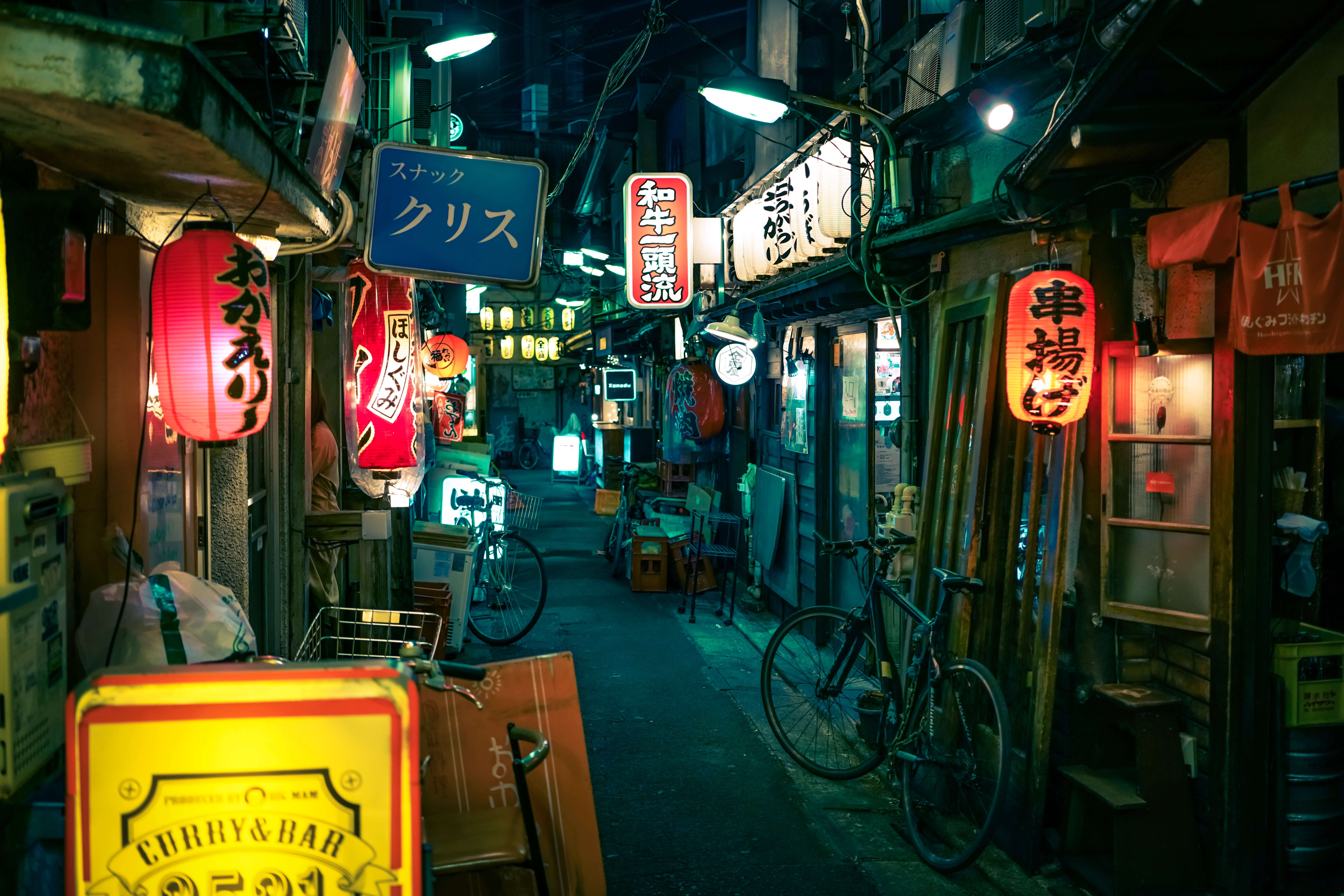
Tokyo nightlife has a bar for every mood and every vibe possible. Fancy yourself in a movie? Watch the sun set over Tokyo at one of the sky-high hotel bars, like the Conrad Hotel’s TwentyEight. Alternatively, drink a movie at The Whales of August, where they serve cinema-inspired cocktails.
Serious about your drinks? Turn to the specialists. World-acclaimed mixologist Gen Yamamoto offers an omakase cocktail tasting menu at the bar that shares his name, and would be the obvious choice. Whisky drinkers would do well at the Tokyo Whisky Library, or at Zoetrope where the Japanese whiskies are as good as the films screened. Tequila fans have around 400 varieties to choose from at Agave. Dive into Tokyo’s booming craft beer bar scene, or check out the craft sake offerings instead.
At the opposite end of this drinking spectrum lies the kind of experience that requires you to forgo any sense of personal space for a few hours. Squeeze yourself into a ramshackle bar in Golden Gai or Nonbei Yokocho, both drinking districts that’ll transport you back to postwar Tokyo. Hit up a standing izakaya in Ueno or Shinbashi. Nothing loosens tongues and ties like good food washed down with plenty of beer.
12. Shop for Traditional Crafts
As with sushi, so with traditional crafts: Quality trumps quantity any time. Tokyo has all manner of specialist shops catering to specific tastes — the following places are just the ones I like.
Aoyama Square showcases high-quality traditional crafts from across Japan, with the added criterion that all products must be used in everyday life. They’re not cheap, but you get what you pay for, and everything is priced accordingly. You’ll find everything from ceramics and lacquerware to paper and wood products.
Then there’s Kappabashi Street, also known as “kitchenware heaven.” This street supplies restaurant operators with their tools, but anyone can shop here. It’s a good place to pick up a quality Japanese knife.
13. Cycle Around Tokyo
Getting around Japan is famously efficient, thanks to a public transportation system that’s clean, safe, modern, and reliable. Tokyo’s train system is a marvel, but riding crowded carriages every day quickly grows old. Exploring the city on bike, on the other hand, is a fantastic way to explore Tokyo neighborhoods and work up an appetite at the same time.
Rent a bicycle or join a cycling tour; stay within the metropolitan area or explore some forests and mountains on the outskirts of Tokyo. Whatever you choose, it’ll be a fun and different experience of the city. Wear a helmet and ride responsibly.
14. Visit the Ghibli Museum
Anyone who has enjoyed a Ghibli film — such as Spirited Away, My Neighbor Totoro, or Princess Mononoke — even in the slightest, should make time to visit Tokyo’s Studio Ghibli Museum.
The museum is a whimsical mansion full of tiny doors, winding staircases, twists and turns, and even a rooftop garden, all inviting you into the enchanting Ghibli universe. You’ll find exhibition rooms that illuminate how animation works, including a recreated Studio Ghibli art director’s studio and a miniature theater that screens short films shown only at the museum.

15. Explore the World of Sumo
Sumo is deeply traditional, and remains a fascinating glimpse into certain aspects of Japanese culture. Time your vacation correctly and you could be in town to catch a sumo tournament. Watching a video doesn’t compare to a live match — the atmosphere in the stadium is truly electric.
If sumo tournaments aren’t occurring while you’re in town, arrange a visit to one of the sumo stables in the Ryogoku area for a glimpse into wrestlers’ training sessions. This is typically possible at most times of the year.
Follow it with a sumo-style meal of chanko nabe (hot pot), a protein-rich soup containing anything and everything from chicken and fish to tofu, beef, and vegetables. You might not be able to down sumo-sized portions, but it’s delicious anyway.
Sumo is deeply traditional, and remains a fascinating glimpse into certain aspects of Japanese culture.
16. Find Some Quiet at Meiji Jingu Shrine
Ready for some peace and quiet? Meiji Jingu shrine is tucked inside the forests of Yoyogi Park, and reached by a long path lined with cedar trees that swallow the city’s noise whole.
Dedicated to Emperor Meiji and Empress Shoken, the shrine is surprisingly moving, even if you’re someone who tends to skip cultural sites in favor of noodles. Stop at the cleansing fountain, write a wish on an ema (wooden plaque), or just stand still and catch your breath for a moment.
17. Wander Through Tsukiji Outer Market
Despite the famous wholesale fish market moving to Toyosu years ago, Tsukiji’s Outer Market is still very much alive. It’s a maze of narrow lanes packed with food stalls, kitchen shops, and vendors who are genuinely delighted to hand you something delicious to sample.
Go early, wander without a plan, and let yourself be drawn in by whatever smells the best. Though our best advice is to arrive hungry!
Plan Your Trip to Tokyo
You could spend a lifetime in Tokyo and still never exhaust its ramen shops, art museums, and izakayas. But even a short visit offers more than enough to fall in love with this city in Japan that truly has it all.
Whatever you decide to do, don’t worry about “doing Tokyo right.” The city is too big and too wonderful for that. Wander a little, get lost if you can, and let Tokyo reveal itself on its own terms.